
Pilates Workshops: Are We Educating Teachers or Selling Tickets?
Some of what's being taught at Pilates workshops should be raising serious questions.
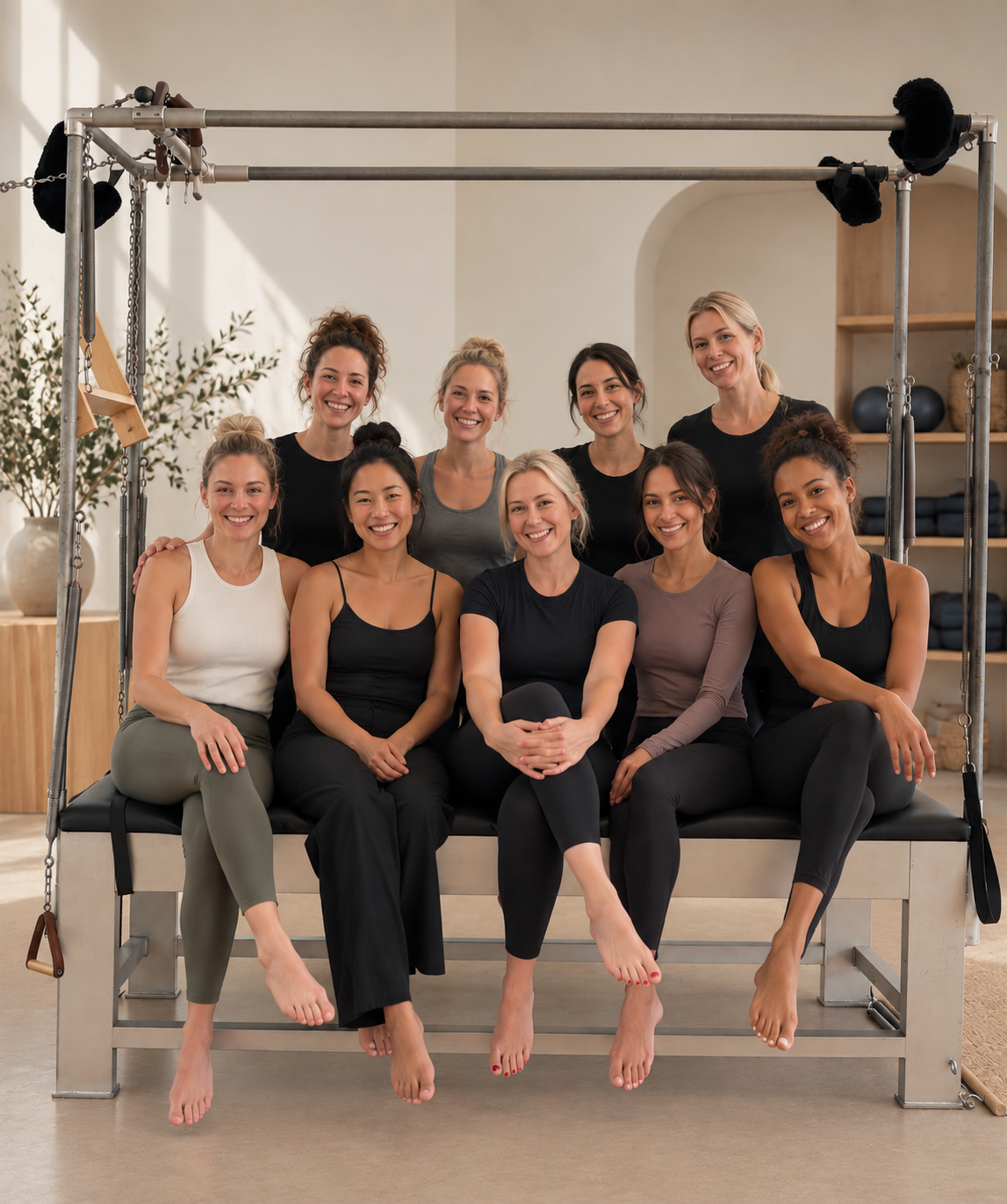
Not because it differs from a particular lineage or because someone has dared to teach an unfamiliar variation. But because exercises are being presented as professional education without a convincing explanation of their purpose, mechanics, risks or relevance to the method.
And yet the workshops sell. The photographs go up. Everyone gets a certificate. But has anyone actually learned anything worthwhile?
Studio Owners: Your Reputation Is on the Programme Too
Hosting a well-known presenter can be great for business. It brings teachers through the door, generates revenue, builds connections and puts your studio on the map.
But have you actually looked at what they're teaching?
Or have you booked someone with a following because you know they'll fill the room?
When you organise and promote a workshop, you're putting your studio's name behind the education being sold. You're lending the presenter your credibility, and borrowing some of theirs in return.
That's marketing. It isn't quality assurance.
And there's a question worth considering before you start selling tickets.
What happens if a teacher attends your event, takes an exercise back to their own studio and injures a client?
Simply hosting an event doesn't automatically make you liable. But neither does calling yourself the organiser necessarily remove every responsibility.
Teachers: Stop Collecting Exercises
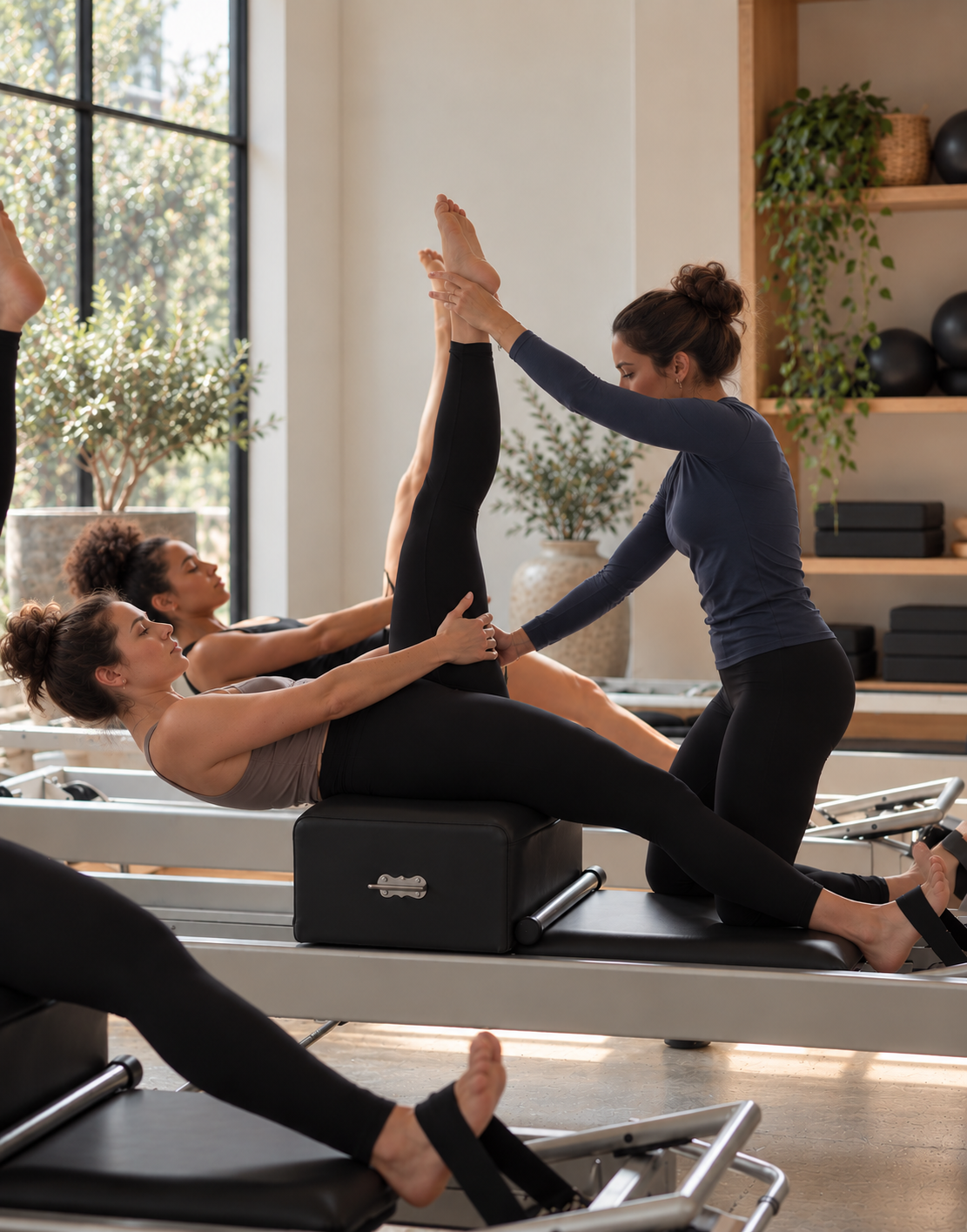
More is not more.
If you've completed comprehensive training, there's already an enormous amount of material within the Pilates Method to study, practise. I’ll say it again because it worth repeating here: More is not more.
Do you really need another collection of someone's invented variations? Or would your students benefit more from you understanding the exercises you already know?
A good workshop should deepen your understanding. It should make you think differently about the work, not simply give you something different to do on Monday.
And please, question what you're being taught.
A famous teacher can be wrong. A respected lineage can produce questionable teaching. And an impressive demonstration isn't evidence that an exercise is appropriate for your clients.
You paid for education, not an obligation to agree.
Presenters: Explain What You're Selling
If you're charging other professionals to learn from you, you should be able to explain what you're teaching and why. What's the purpose? What are the mechanical demands? What are the risks? Where does it fit within the method?
And if you've invented it? Say so.
There's nothing inherently wrong with experimenting or developing new material. But don't confuse your personal exploration with established Pilates technique, and don't expect your reputation to do the work of an explanation.
Being able to perform an exercise isn't the same as understanding it well enough to teach other teachers.
Perhaps We Should Raise the Bar
A large following isn't a qualification. A certificate of attendance isn't proof of competence. And selling out a workshop doesn't make the content good.
Studio owners need to be more selective. Teachers need to be more critical. Presenters need to be more accountable.
Because the consequences of poor professional education don't necessarily end with a disappointing workshop. They can follow teachers back into their studios and reach the people who trusted them to know better. And those people didn't buy a ticket to your workshop…