
The Art of Teaching Pilates
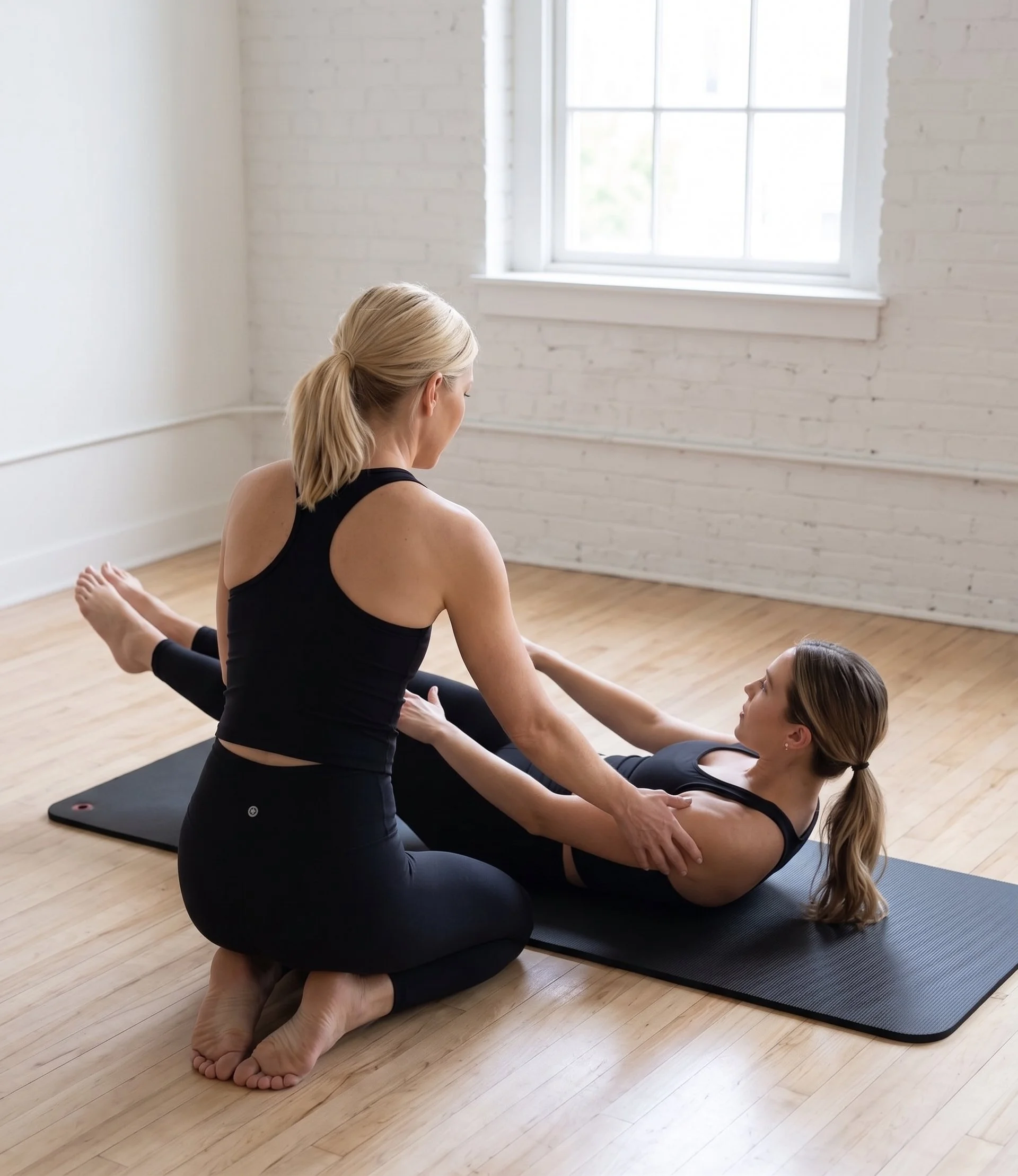
There is a difference between knowing an exercise and knowing how to teach it.
As Pilates teachers, we spend a lot of time learning the method. We study the exercises, the order, the transitions, the apparatus and the technical details that make each exercise what it is. That knowledge matters. The more clearly we understand the work ourselves, the more we have available to offer our students.
But technical knowledge is only one part of teaching. You can know exactly what an exercise is supposed to look like and still have to figure out how to help the person in front of you do it.
That’s where the art of teaching begins.
Knowing What to Look For
Good teaching starts with observation.
Before we decide what to correct, cue or change, we have to actually see what is happening. Is the student struggling because they don’t understand the exercise? Because they don’t yet have the strength or mobility for it? Because the setup isn’t quite right? Because they’re trying too hard? Or perhaps because we’ve already given them too much information?
The same exercise can look different on different bodies, and the same correction won’t necessarily help every student.
Knowing the technique gives us something to observe against. Experience teaches us how to interpret what we see.
Knowing What to Say
Once you see something, there is another decision to make: what are you going to do about it?
Sometimes a precise technical correction is exactly what someone needs. Sometimes an image works better. Sometimes changing the spring, adjusting the setup or giving a tactile cue solves the problem without much explanation at all. And sometimes the best thing you can do is let the student keep moving.
One of the skills that develops with teaching experience is learning to edit yourself. You might notice five things you could correct. That doesn’t mean you should correct all five.
The question becomes: what would be most useful right now?
Knowing When to Say Nothing
This may be one of the harder teaching skills to learn.
When we first start teaching, silence can feel uncomfortable. We want to demonstrate that we know what we’re doing, so we explain, cue and correct. But students also need space to experience the work.
If we constantly tell someone where every part of their body should be, we can inadvertently make them dependent on us. They become very good at following instructions without necessarily becoming better at understanding their own movement.
Sometimes a student needs another repetition rather than another cue. Sometimes they need a moment to work something out. And sometimes what they are doing is perfectly good enough for today.
Teaching the Person, Not Just the Exercise
The method gives us a framework, but we teach people.
That means the way we teach an exercise may change depending on who is standing in front of us. One student may respond beautifully to detailed anatomical information. Another may move better with a simple image. Someone else may need very few words and the opportunity to feel the exercise for themselves.
Even the same student may need something different from us on a different day.
This doesn’t mean abandoning the technique or changing the method to suit every preference. It means understanding the method well enough that we can communicate it in a way that reaches the individual.
Teaching Is a Conversation
I increasingly think of a Pilates lesson as a conversation. Not necessarily a verbal one.
You give the student an exercise. They show you something through the way they perform it. You respond with a cue, a correction, a change of setup or perhaps another exercise. They respond again.
Teaching becomes a continuous process of observing, deciding and responding.
That is difficult to learn entirely from a manual or a teacher training course because there isn’t always one correct answer. There is judgement involved. And judgement develops through experience.
Why Mentorship Matters
This is one of the reasons I believe mentorship is so valuable for teachers. Learning more exercises is useful. Refining your own technique is useful. Continuing to study the method is essential. But teachers also need opportunities to talk about teaching.
Why did you choose that exercise? What did you see? Why did you give that correction? Did it change anything? What might you try next time?
Those conversations help develop the decision-making that sits underneath good teaching.
A mentor isn’t there simply to tell you what you did right or wrong. The more interesting work is often helping you understand why you made a particular choice and what other choices might have been available.
Over time, you begin to trust your own observations more. You become clearer about what matters and less distracted by everything you could correct.
The Part That Takes Time
A teacher training programme can give us a strong foundation. It can teach us the exercises, principles, safety considerations and technical framework we need to begin teaching responsibly. But becoming a teacher takes longer.
It happens through teaching different people, making decisions, getting things wrong occasionally, seeing what works, studying with experienced teachers and continuing to ask questions.
The technique gives us the framework. The art is learning how to bring that framework to the person standing in front of us. And that part is never really finished.